Behind the Scenes at Rao's Kitchen .The Care and Craft That Guests Don't Always See!
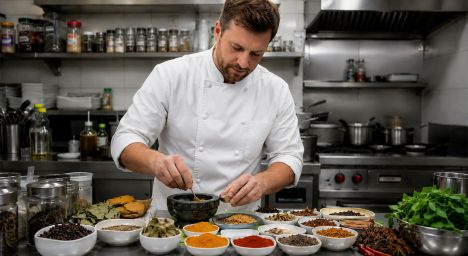
By the time a guest sits down at Rao's, several hours of preparation have already happened.
Not glamorous preparation the repetitive, careful, essential kind. Checking that every ingredient that arrived that morning is what it should be. Organising the workstations so that when service gets busy, nobody is reaching over someone else or hunting for a missing utensil. Making sure the spice blends are prepared to the right ratios, because the difference between those ratios is the difference between a dish tasting exactly right and tasting almost right.
Almost right is not good enough. The guest will not know what was almost right about it. They will just know that something was.
The Preparation Before Preparation
Experienced kitchen teams think in layers. There is the prep you do in the morning for lunch service, the reset you do between services, and the checking you do before a busy Friday. Each of these is a different kind of attention. The work is not just physical; it is about maintaining standards when you are tired, when you are understaffed, when something went wrong earlier, and you need to recover without letting it affect the food.
That capacity is built gradually, through repetition and trust between the people in the kitchen.
Traditional Techniques in a Modern Kitchen
Some cooking methods survive not because nobody has thought of a better alternative, but because there genuinely is no better alternative. The slow reduction that builds the base of a great curry cannot be rushed. The way a tandoor chars the outside of bread while keeping the inside soft is a function of its design a thousand degrees of radiant heat from clay walls, not something you replicate with a gas oven.
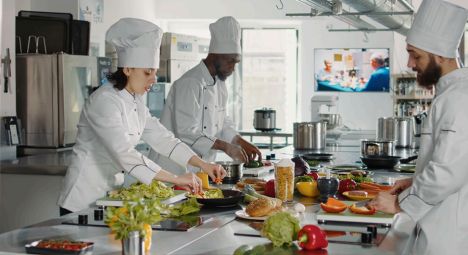
These techniques take longer. They require more attention. Restaurants that skip them are making a business decision dressed up as a cooking decision. We choose differently.
What Hospitality Actually Means
A restaurant is, in the end, a place where people come to feel welcome and fed well. That sounds simple. It requires an enormous amount of coordination to pull off consistently.
We think about that coordination for every service. It is what allows us to focus on the part guests actually see: the food, the atmosphere, the feeling of being looked after, without anything behind the scenes getting in the way.