Why Vegetarian Food Has Always Been at the Heart of Indian Cuisine
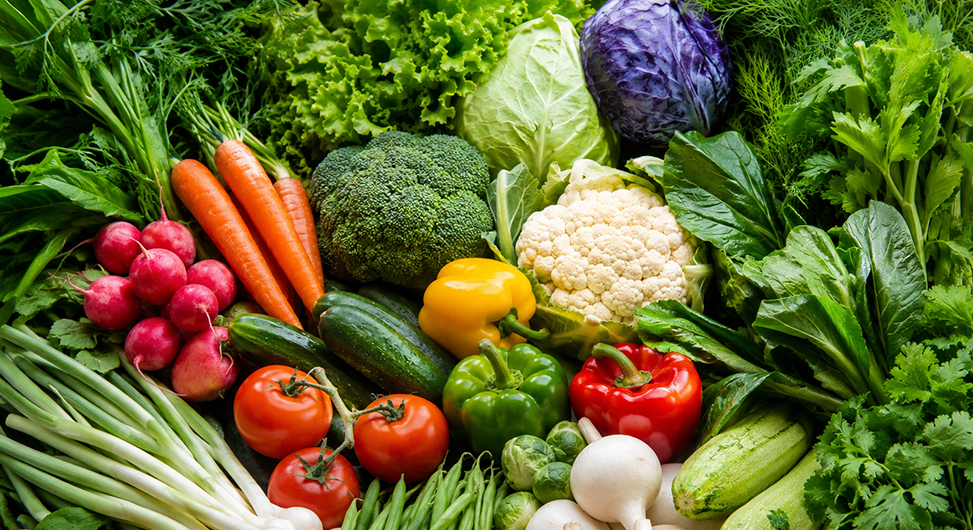
Long before 'plant-based' became a marketing category, Indian home kitchens had already solved the vegetarian food problem. Not as a restriction as a craft.
Across India, generations of cooks developed ways of coaxing extraordinary depth from lentils, vegetables, grains, and spices. The results were not compromises for people who couldn't afford meat. They were dishes that people chose over meat, wanted at celebrations, and travelled to find. Dal makhani. Palak paneer. Baingan bharta. These are not side dishes. They are the point.
What makes Indian vegetarian cooking so different from most Western takes on the genre is that it was never designed around absence. Nobody sat down and thought, 'how do I make this work without meat?' The question was always: what do these spices do to this aubergine? How does a slow cook change the texture of this lentil? What happens when you introduce tamarind at the end versus the beginning?
The Diversity Problem — in a Good Way
One thing that gets lost when people talk about 'Indian vegetarian food' as a single thing: India is enormous, and the regional variation is staggering. The vegetarian food of Gujarat bears almost no resemblance to that of Tamil Nadu,
which is completely different again from the Kashmiri tradition. Different climates, different crops, different religious influences, different spice routes.
This is actually wonderful news for diners, because it means there is always something new to discover. The cuisine does not have a ceiling.
What This Means at Rao's
We take vegetarian dishes just as seriously as everything else on the menu — the same sourcing, the same technique, the same attention to whether a dish is actually interesting or just acceptable.
London has become one of the best cities in the world to eat without meat, and Indian food has been central to that for decades. We are proud to be part of that conversation in Dalston and across East London.